Welding
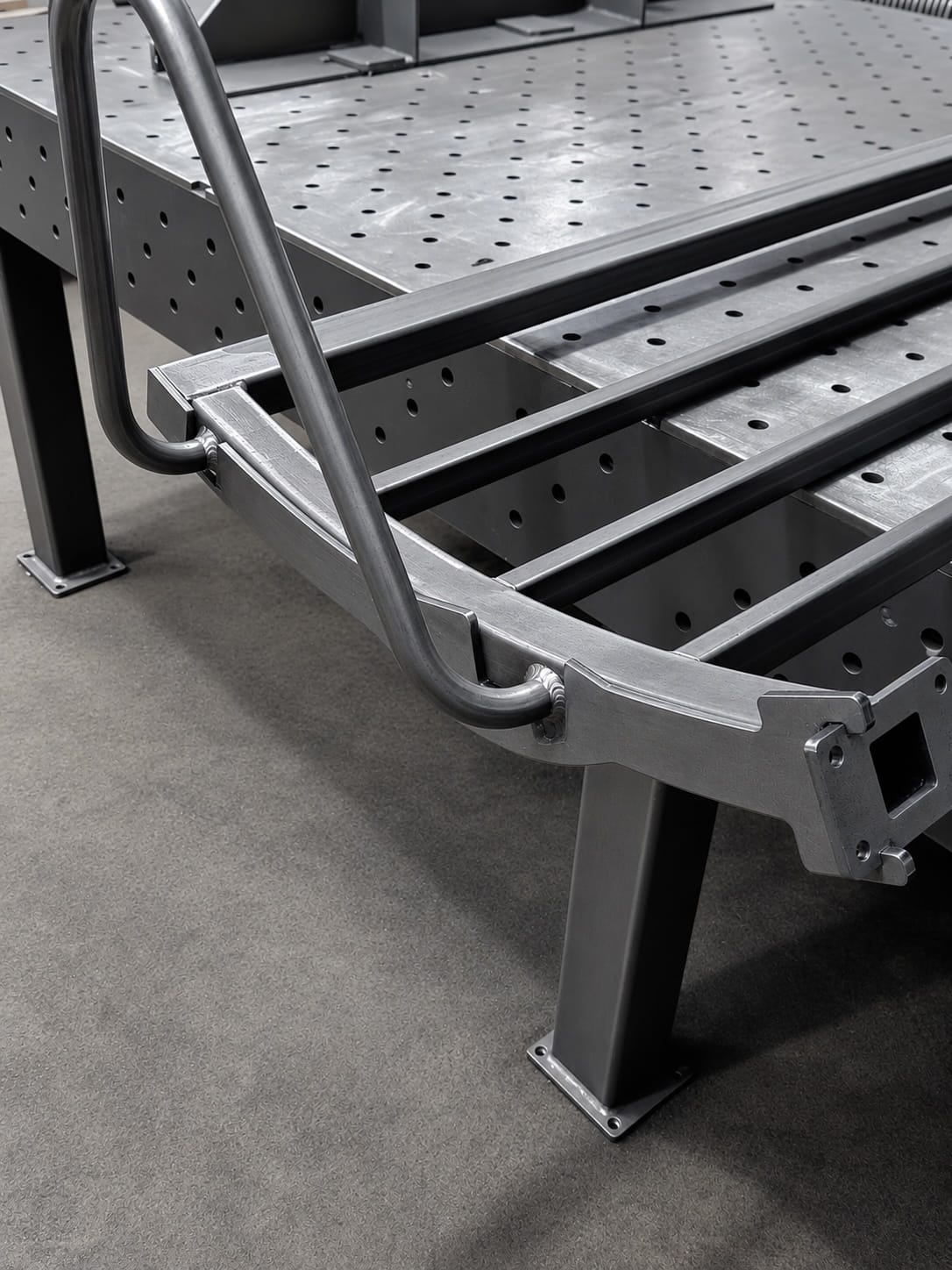
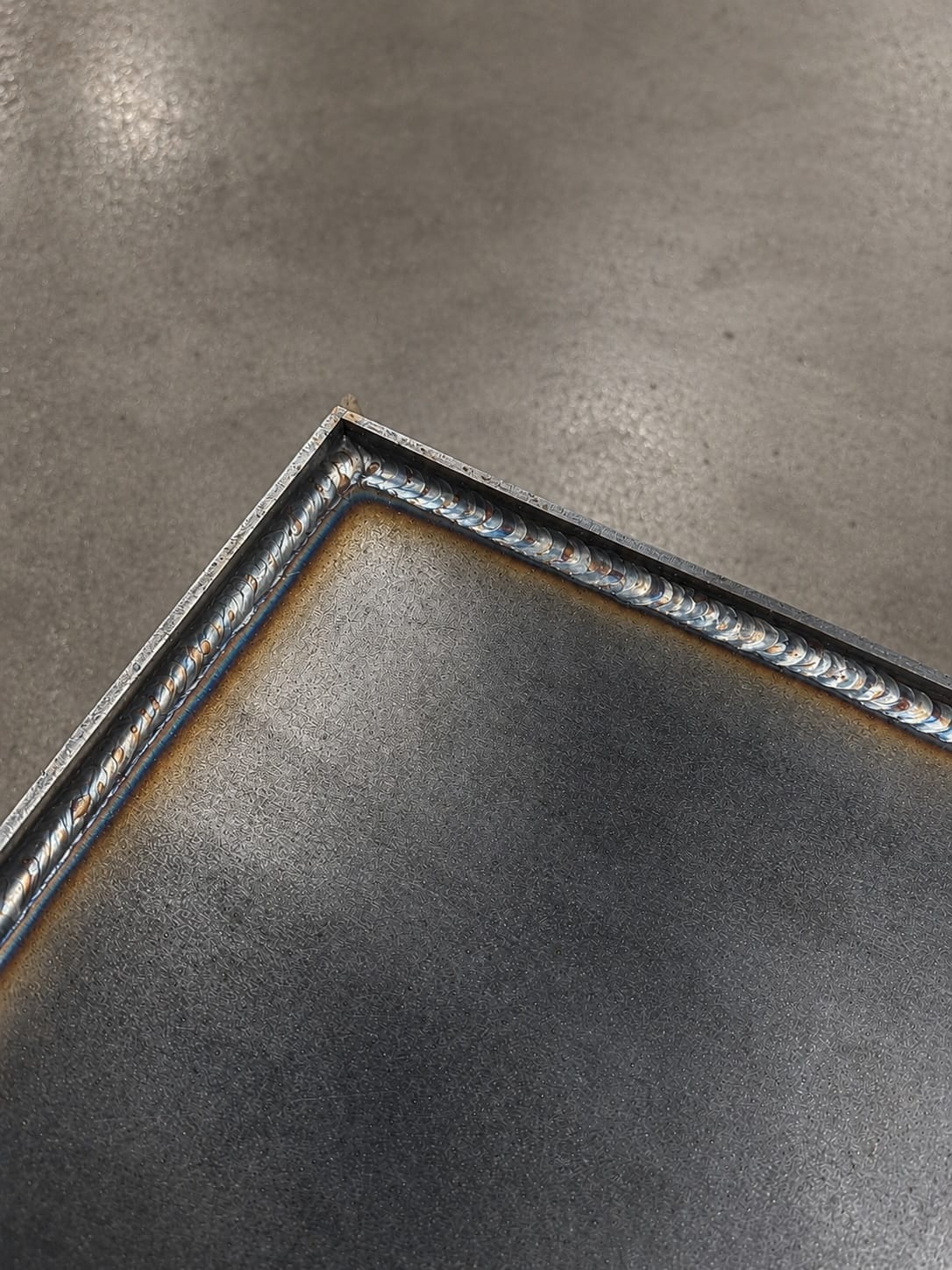
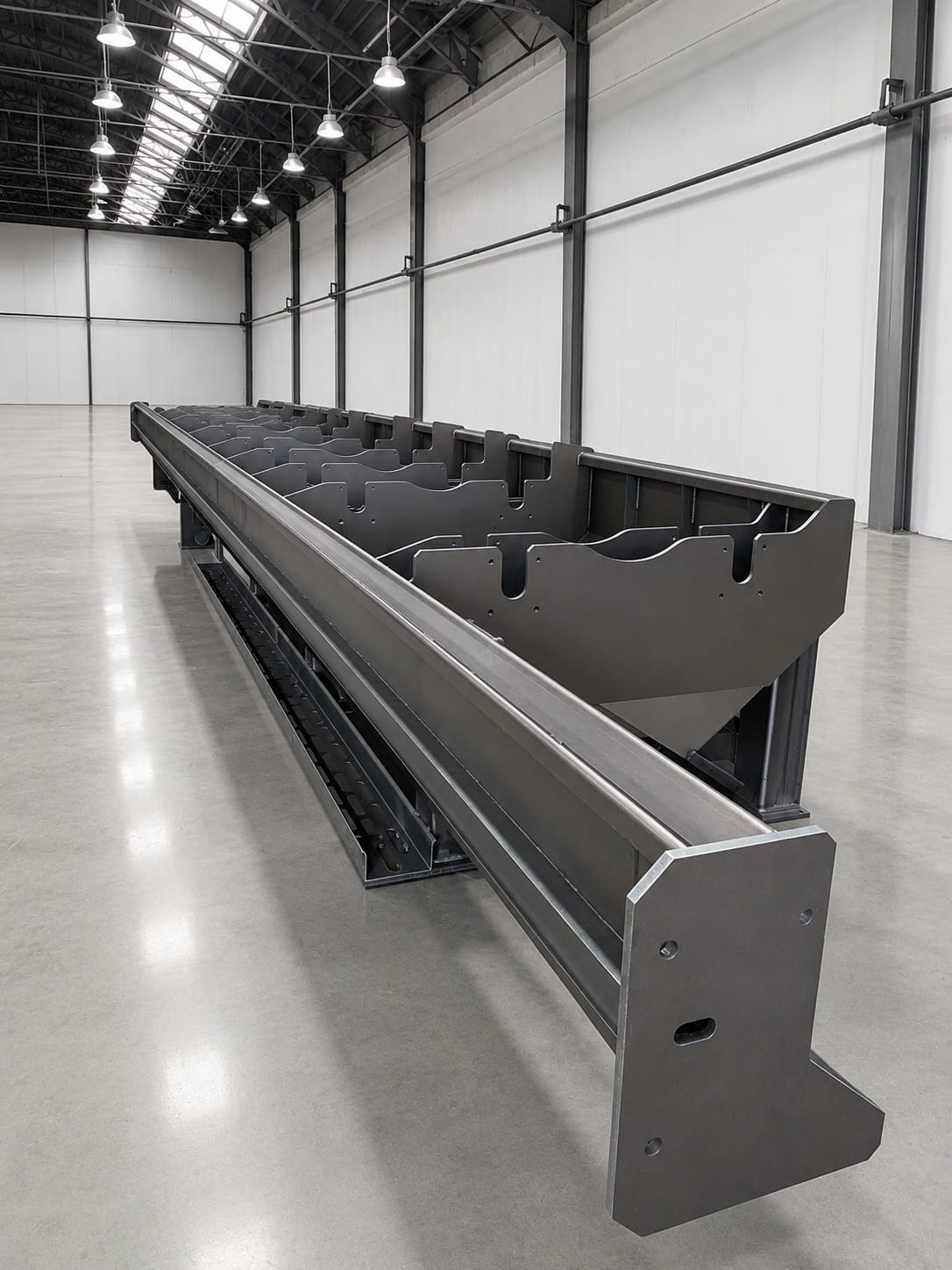
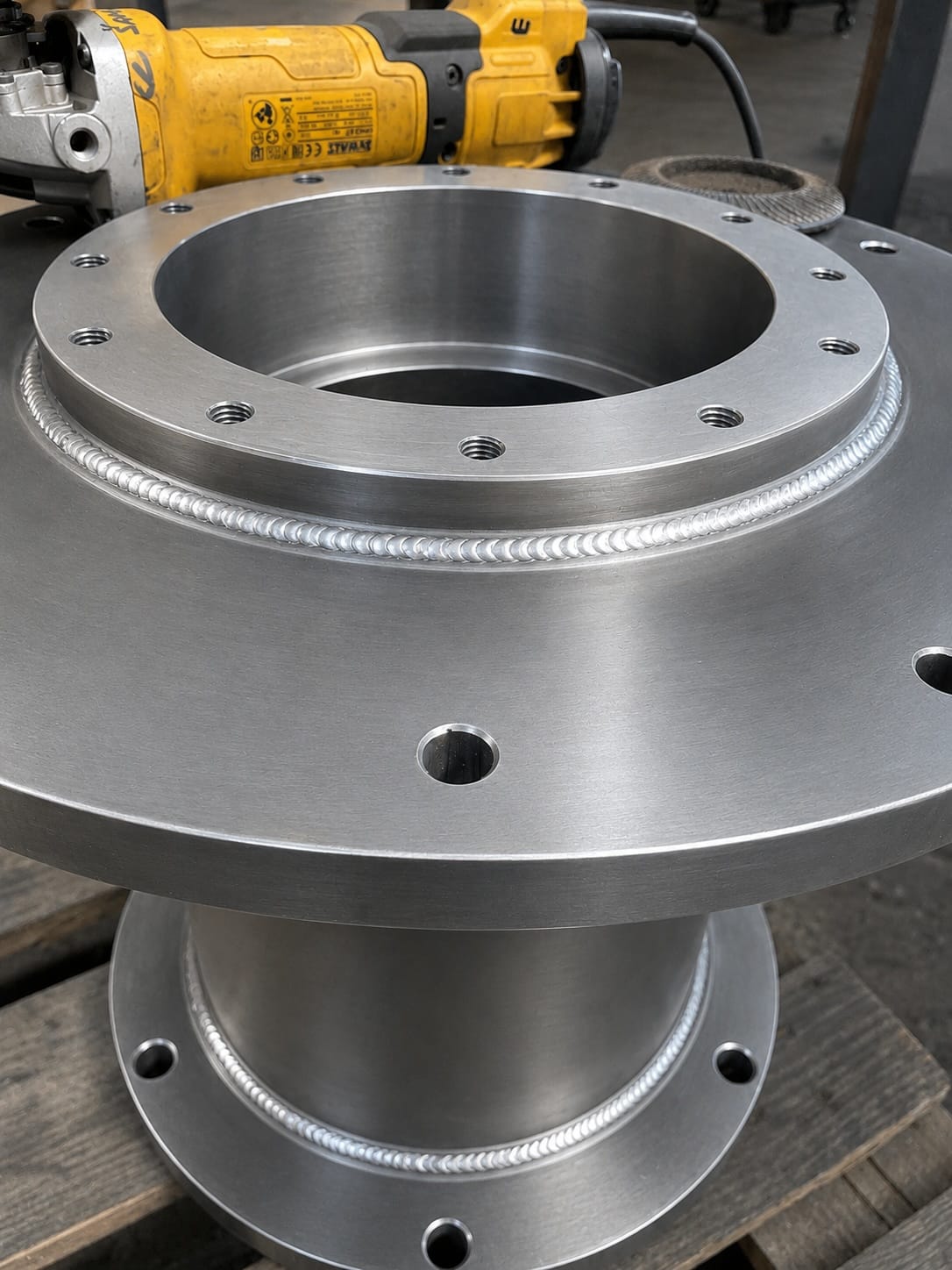
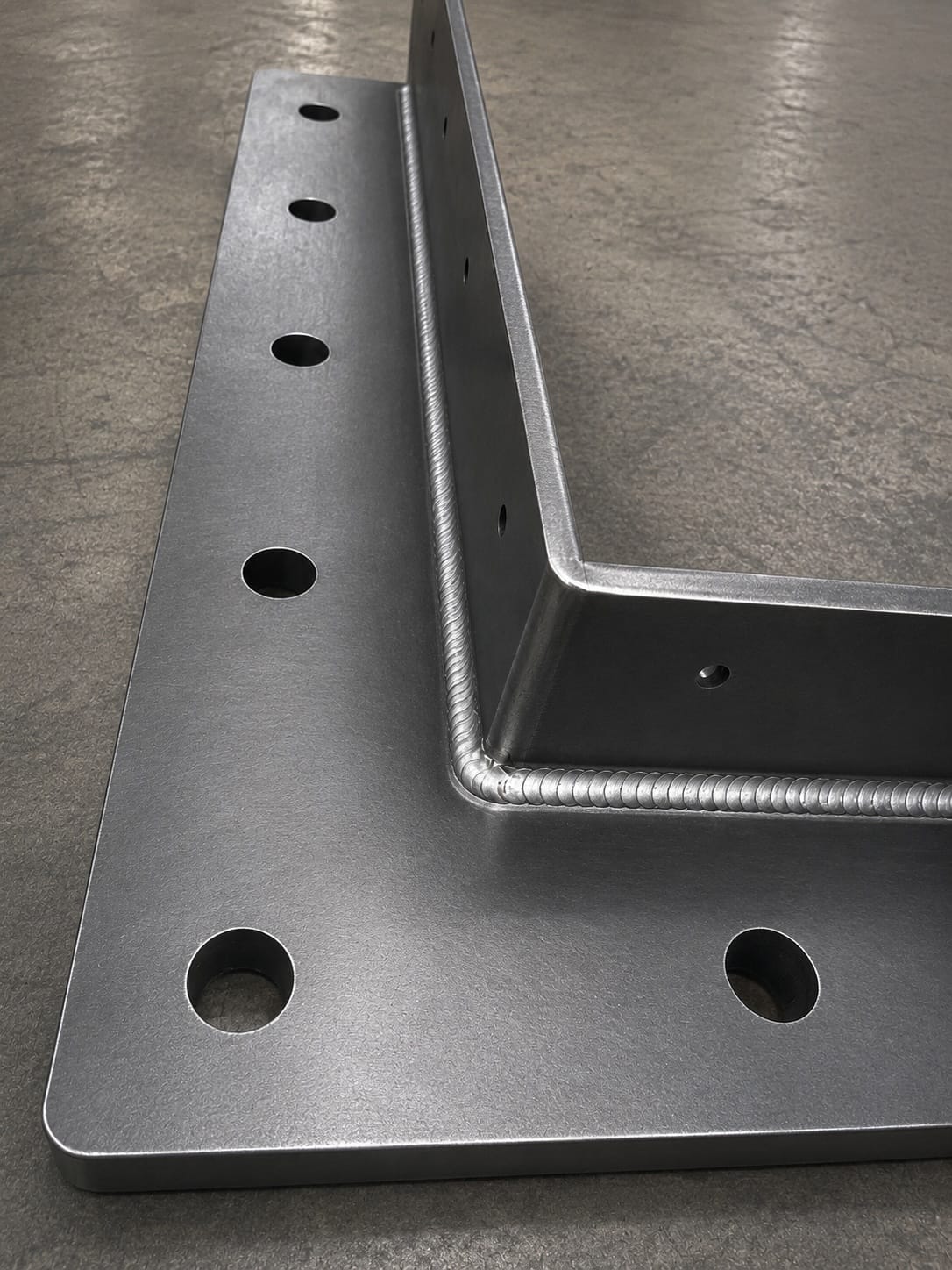
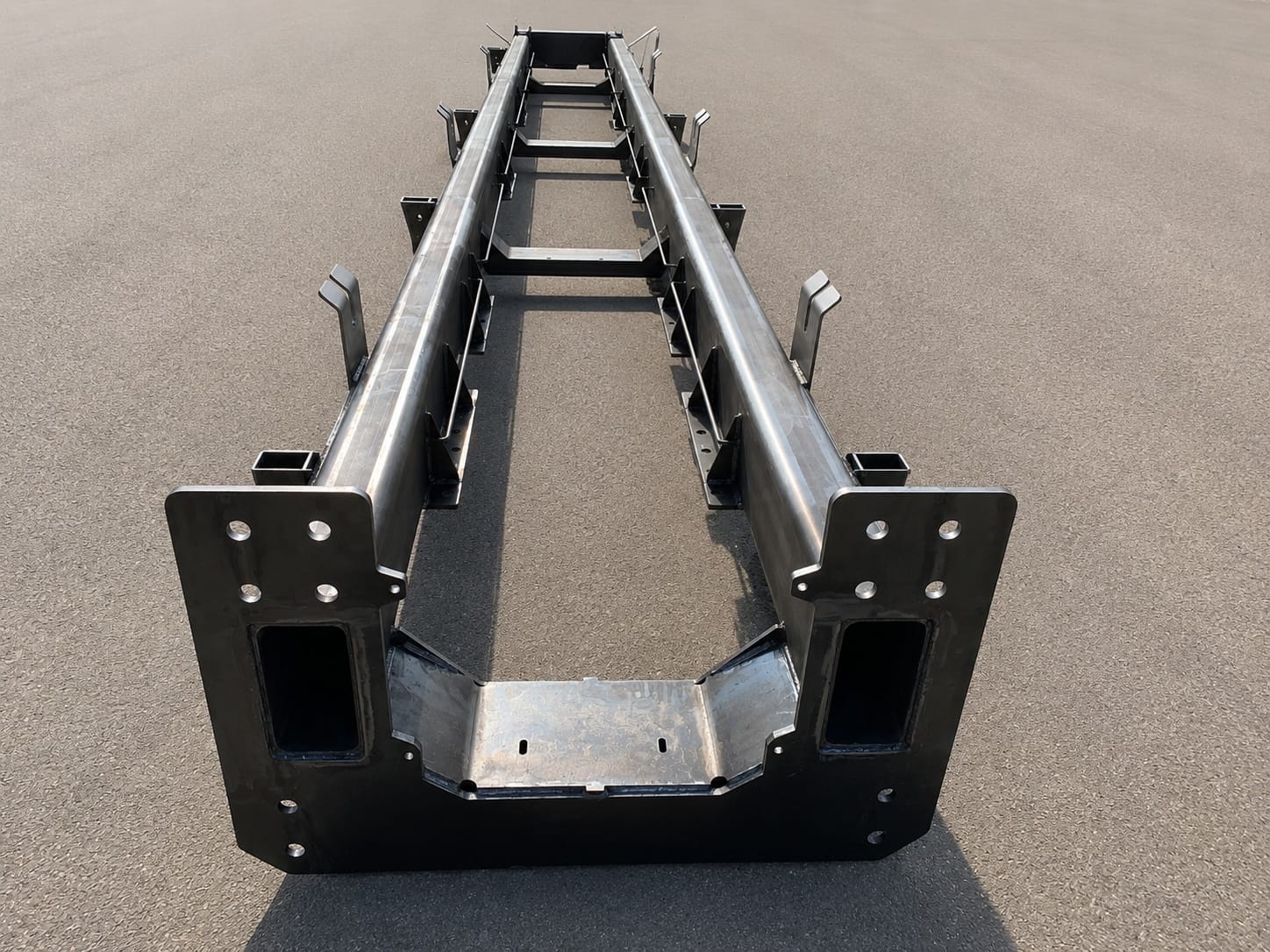
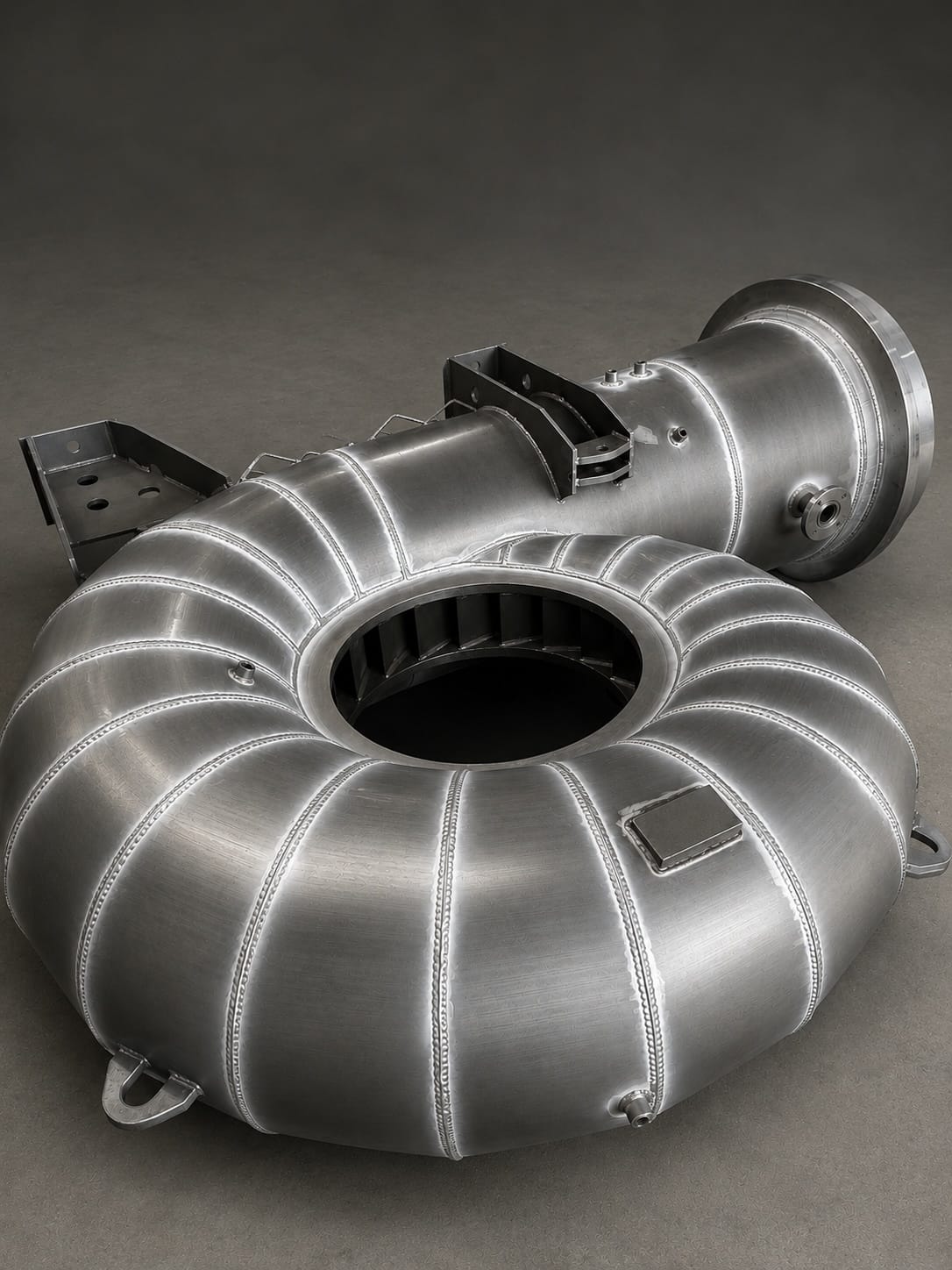
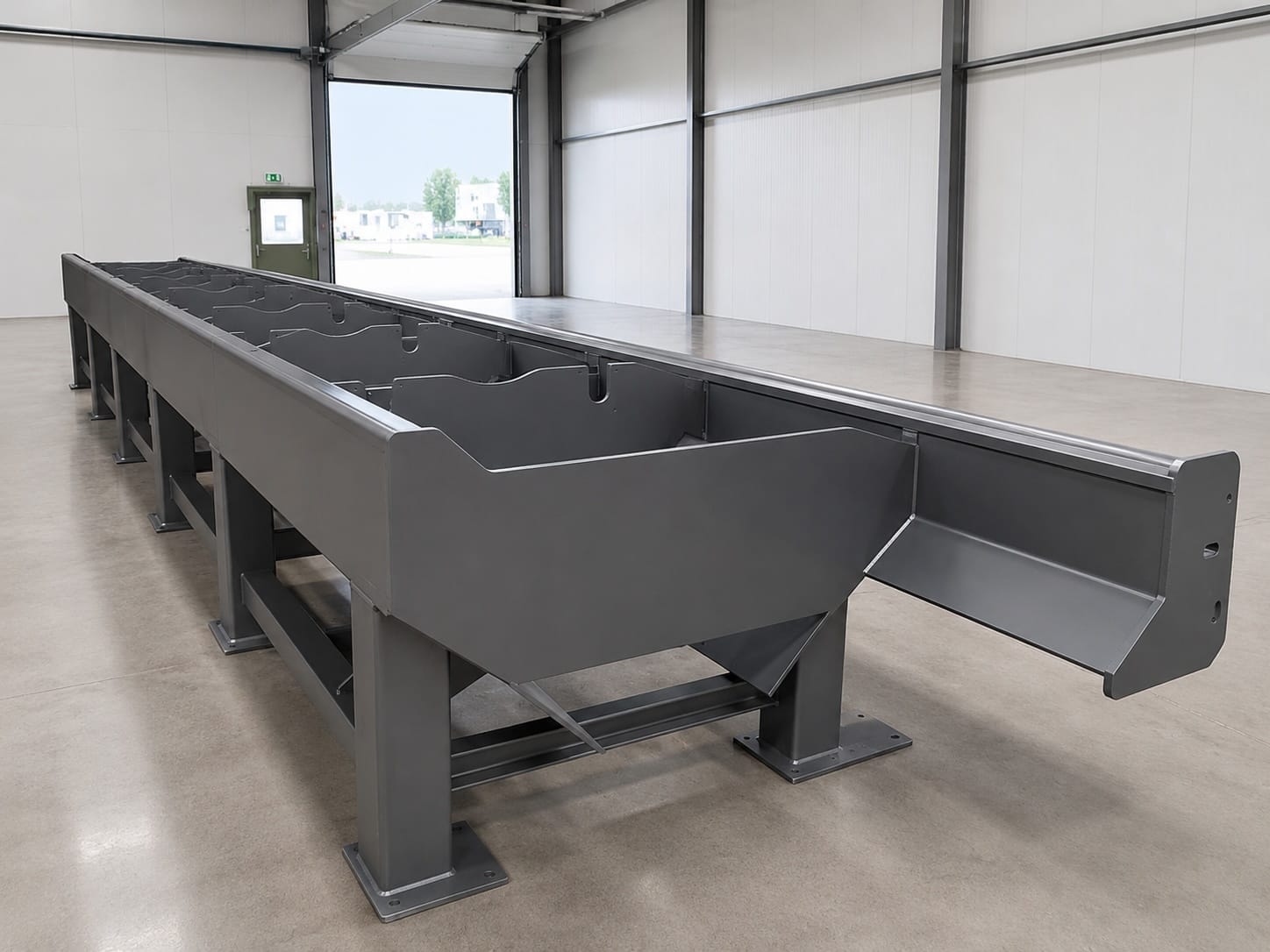
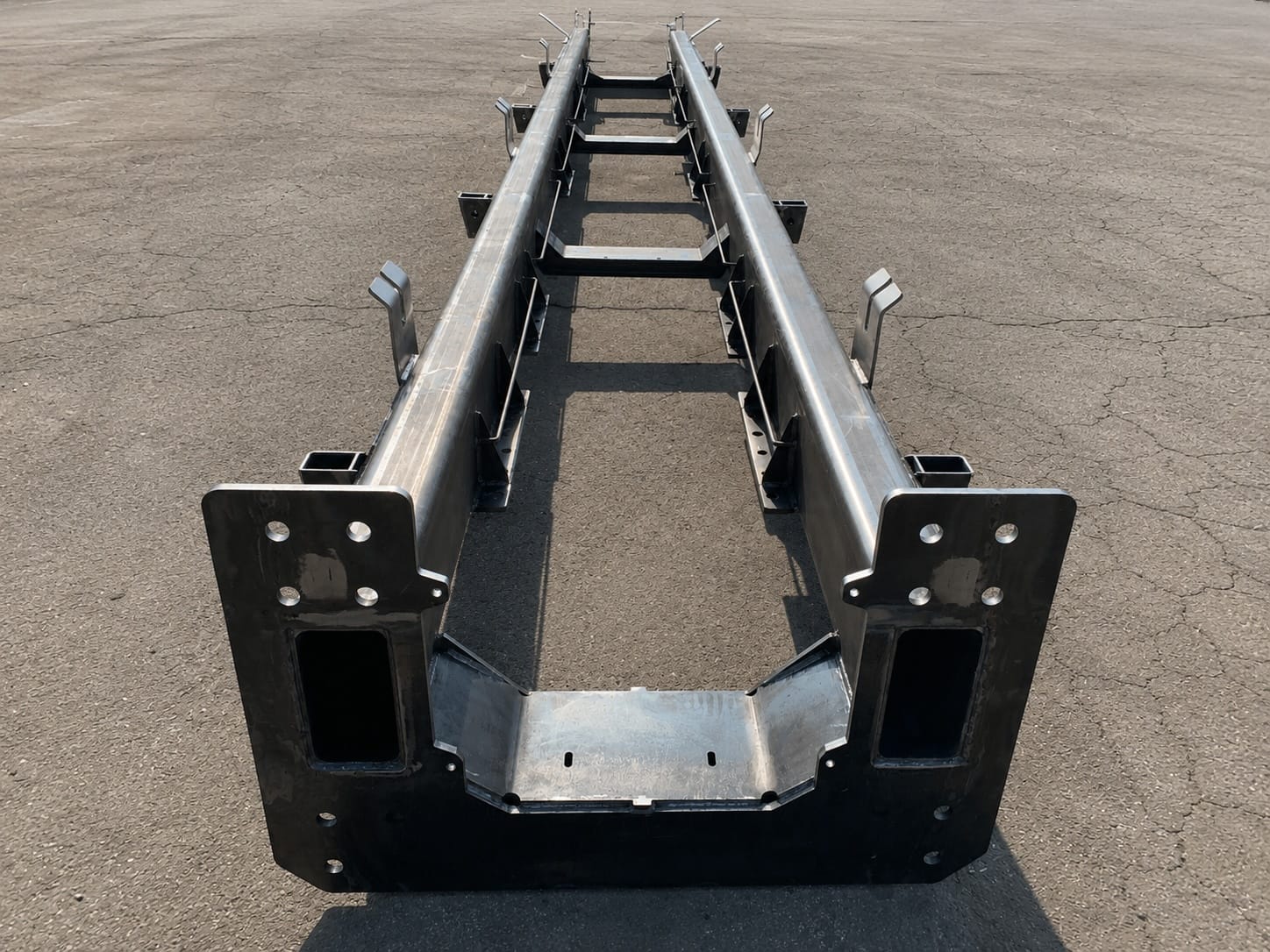
We offer welding of components using various processes, including TIG, CO2, MAG, laser welding, and spot welding. For precise positioning of elements and welding optimization, we use welding fixtures, welding tables, and templates, which helps in achieving dimensional tolerances. We also offer finishing after welding, including grinding, sandblasting and painting. Our welders have experience in welding structural steel, stainless steel and aluminium.

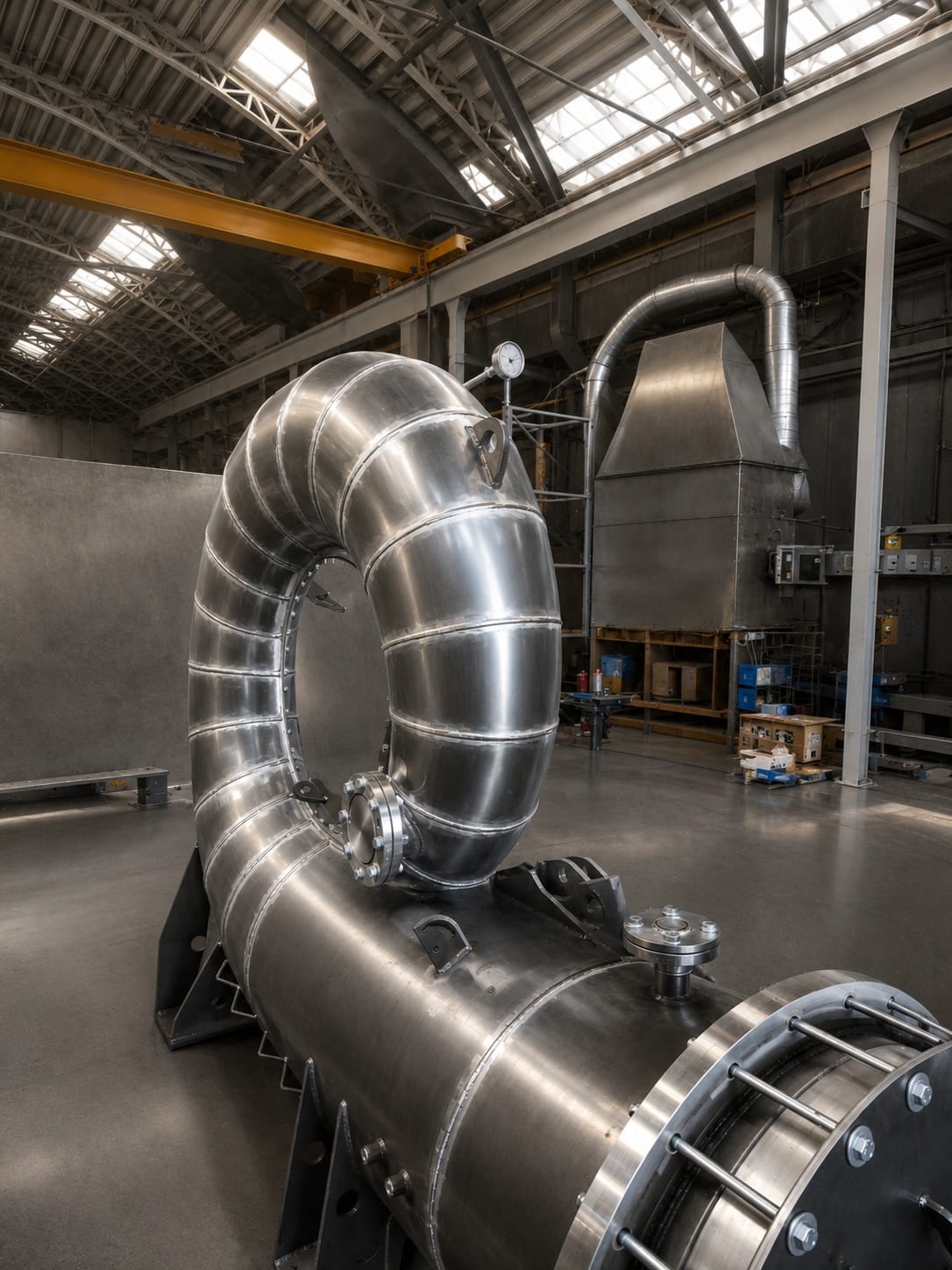
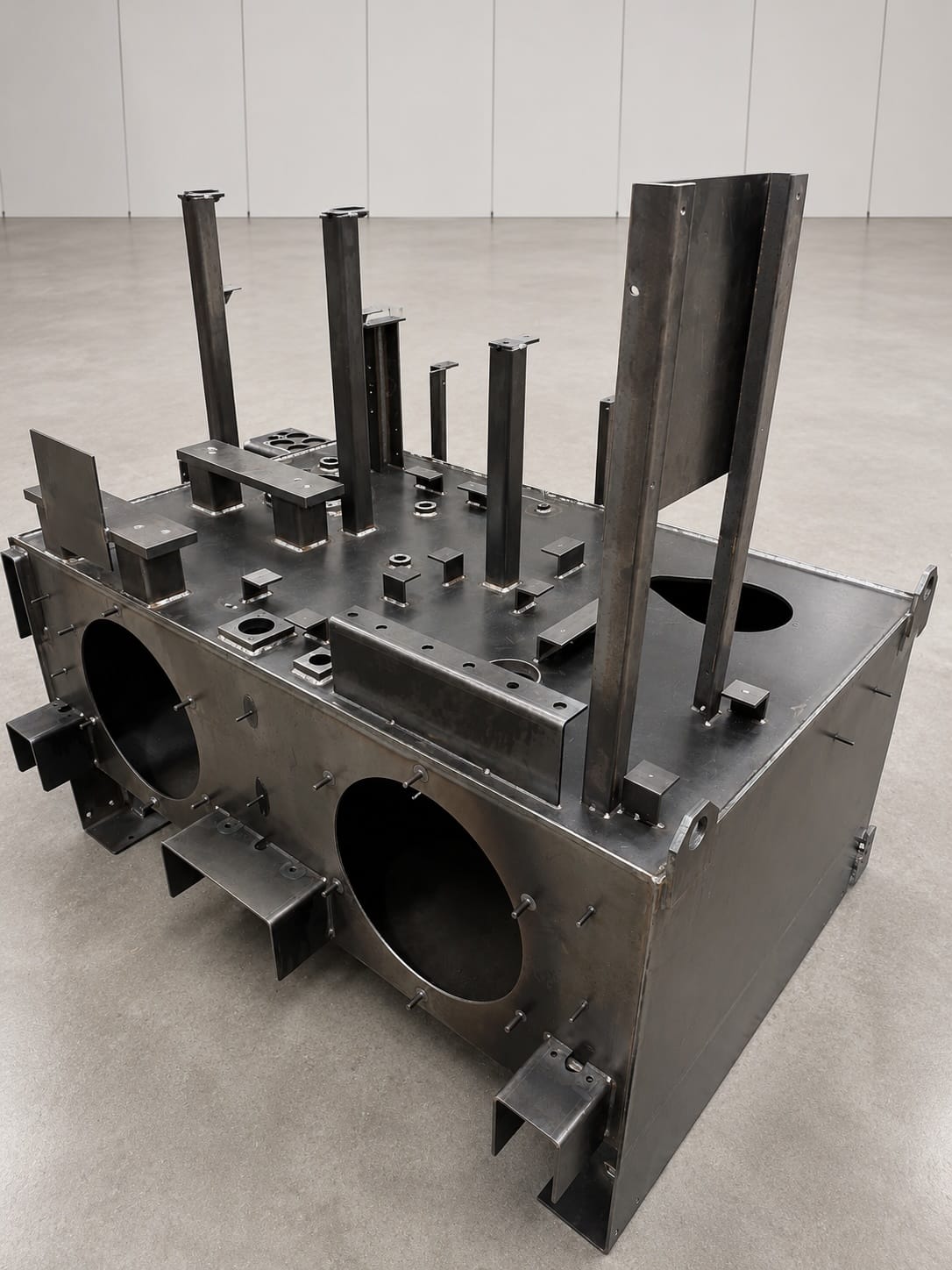
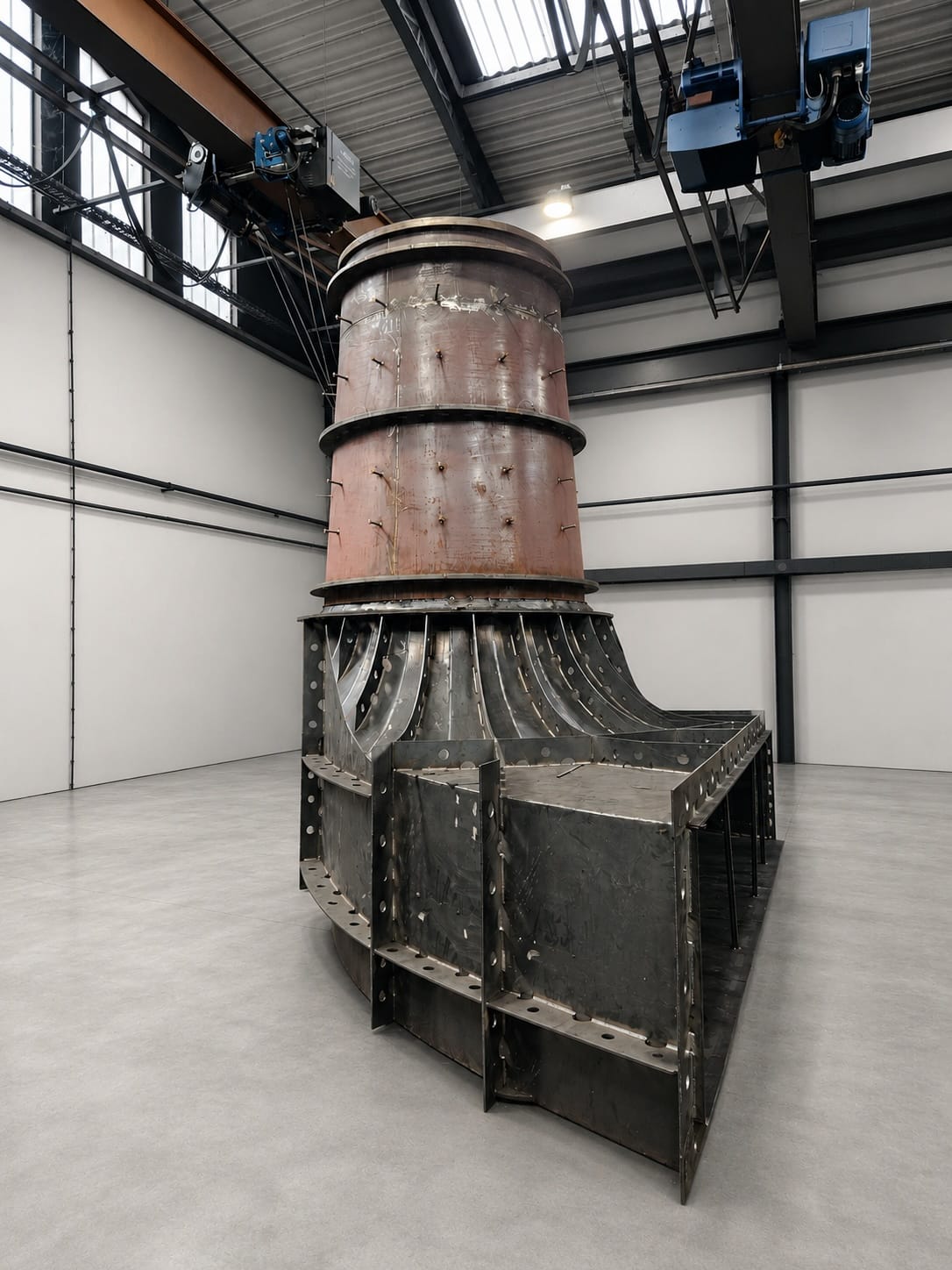
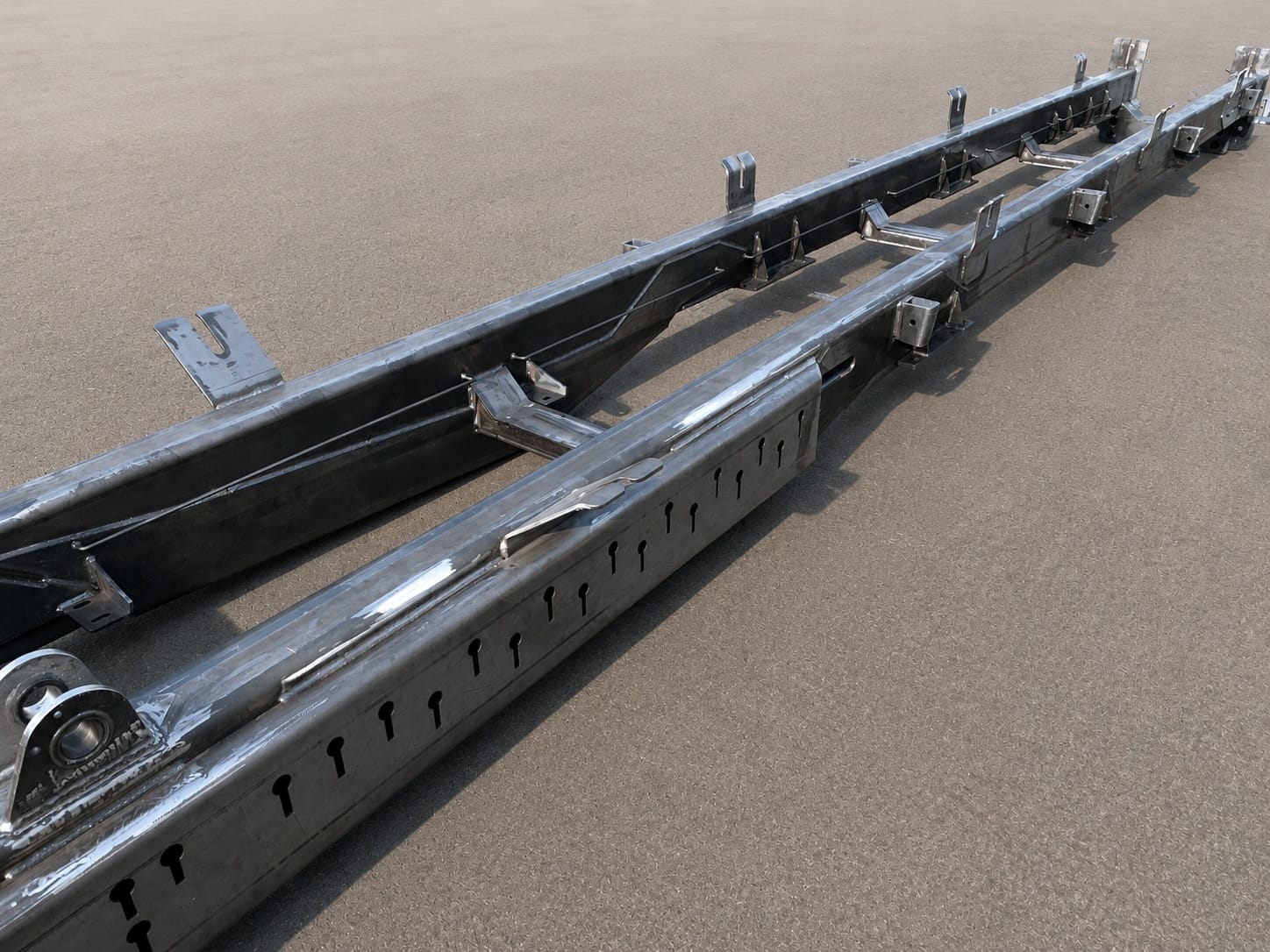



Technical advantages
- Highly qualified and certified welders
- 6 overhead cranes for lifting loads up to 5000 kg
- A wide range of welding processes for various materials and thicknesses
- Precise positioning of elements with welding tables and templates
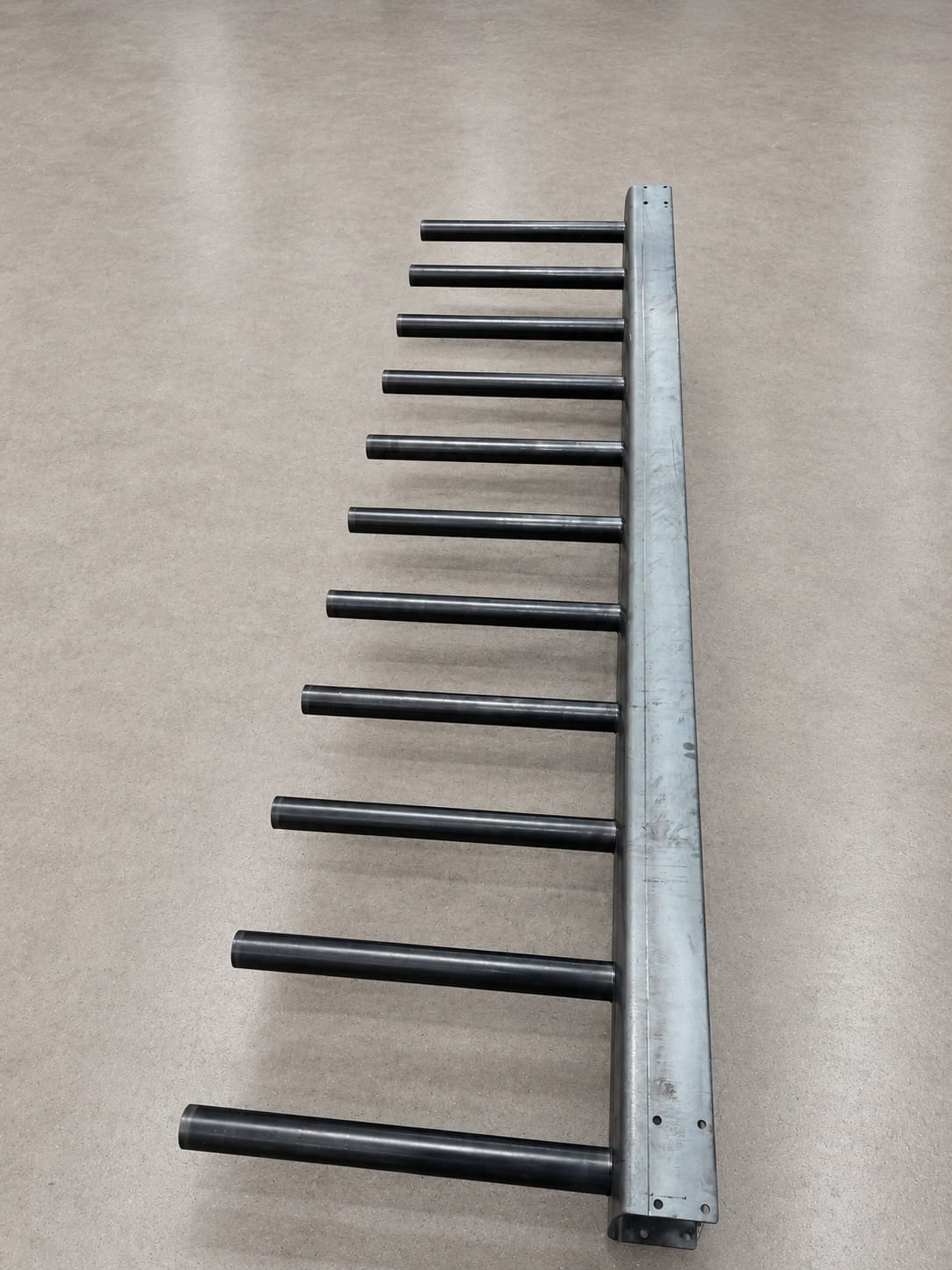
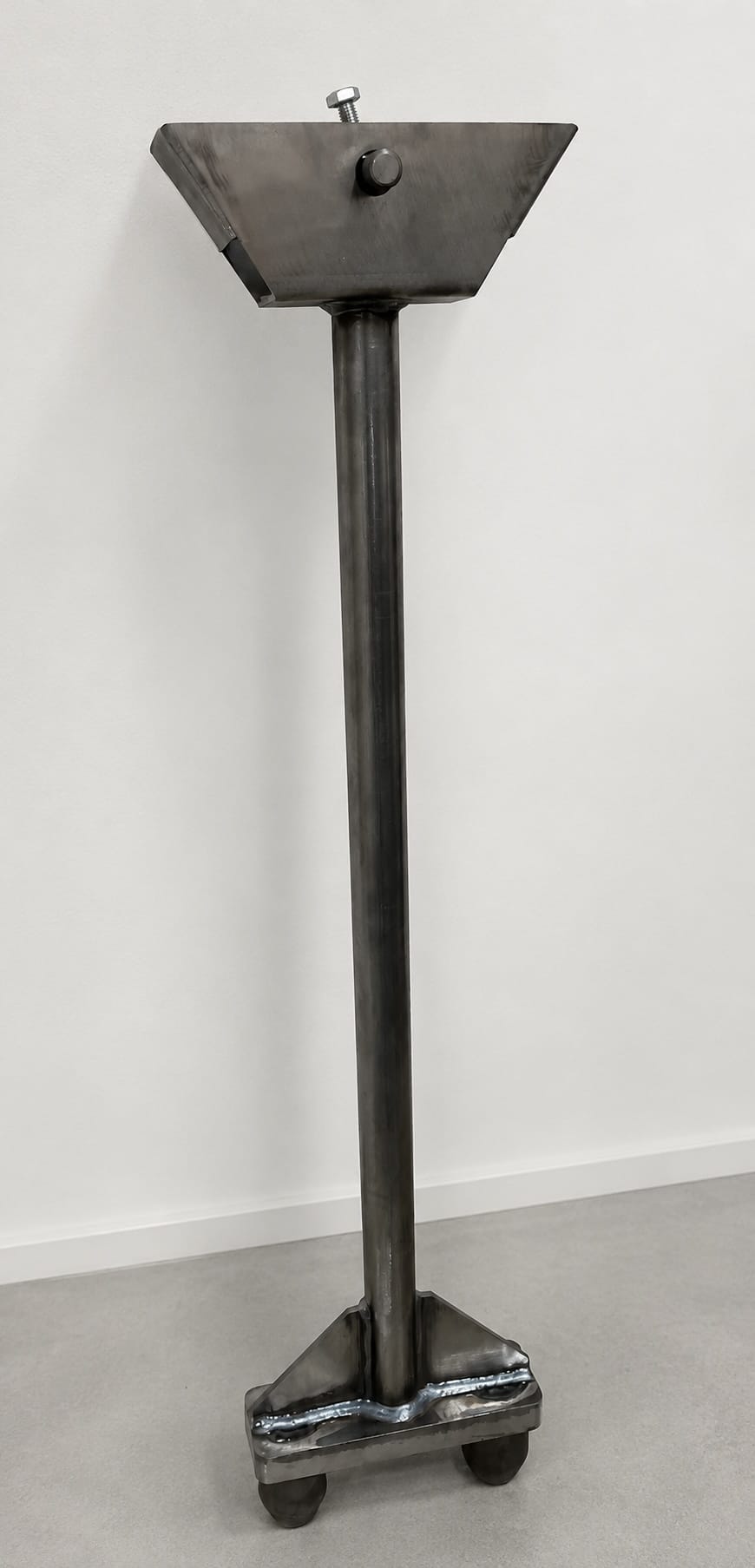
- Production of complex assemblies for mounting or integration into structures
AREAS OF APPLICATION
- Mechanical engineering
- Light and heavy metal structures
- Industrial frames and load-bearing elements
- Structures for construction and industrial equipment

DIFFERENT TYPES OF WELDING
Superior technology, for
high-quality custom execution

MIG/MAG is an arc welding process in which the welding wire is continuously fed through the welding torch. An electric arc is created between the wire and the workpiece, which melts the wire and the edges of the material, thus creating a solid weld. Shielding gas during welding prevents contact of the weld pool with air and ensures a high-quality, clean joint.
The difference between the two processes is primarily in the shielding gas used:
- MIG uses inert gases such as argon and helium. It is primarily suitable for welding aluminium, copper, and other non-ferrous metals.
- MAG uses active gases or their mixtures, most commonly argon with the addition of carbon dioxide or oxygen. It is primarily used for welding structural, unalloyed, and stainless steels.
The process enables fast and efficient production of high-quality welds, making it suitable for both manual welding and robotic welding. It is characterized by high productivity, a uniform weld, and relatively little post-processing.
TIG is an arc welding process in which an electric arc is created between a non-consumable tungsten electrode and the workpiece. The weld area is protected from the effects of air by an inert gas, most commonly argon. If necessary, filler material is supplied separately in the form of a welding rod, while for thinner materials it is also possible to weld without it.
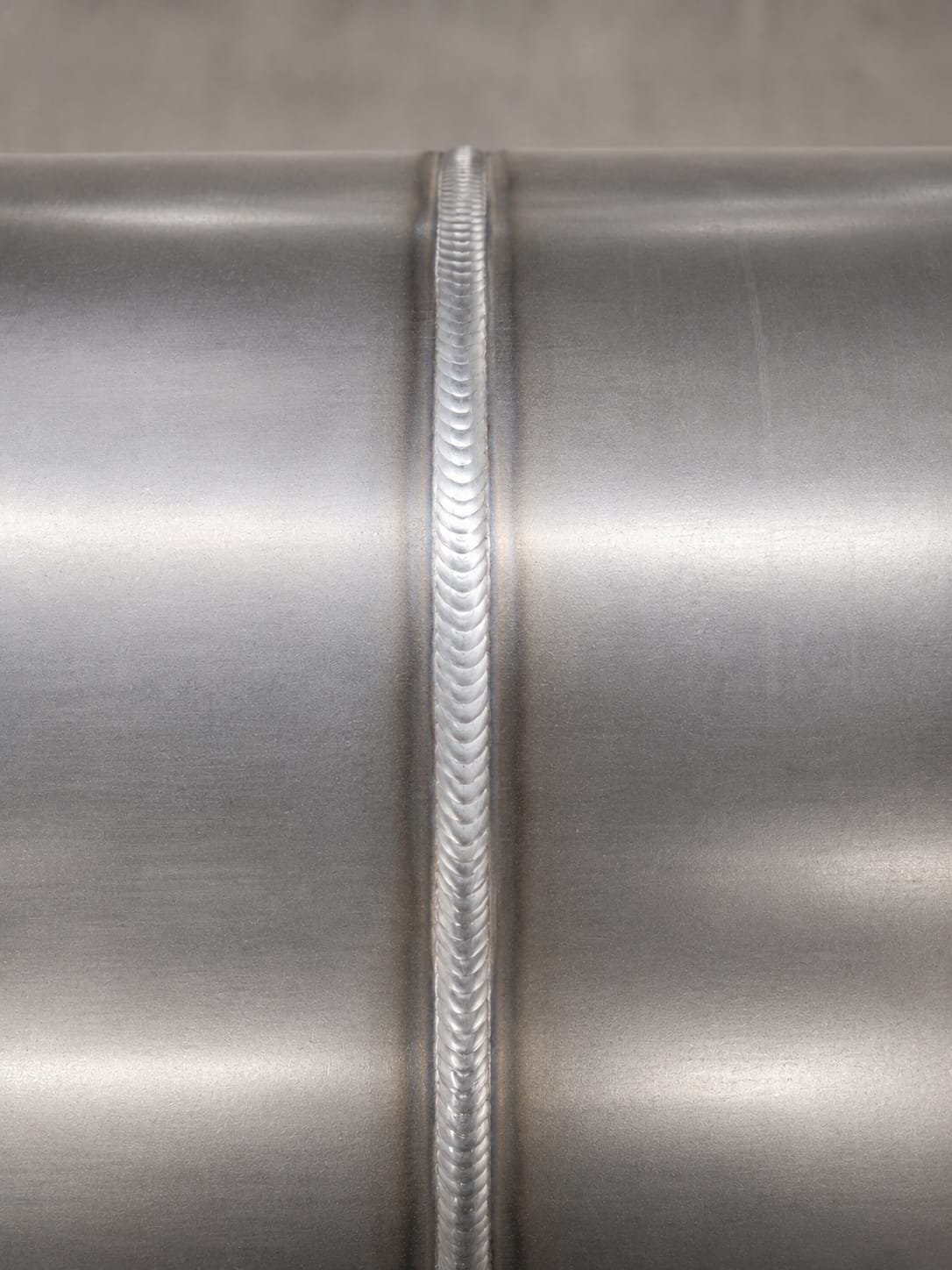
The process allows precise control over the weld pool and the production of extremely clean, smooth, and high-quality welds without spatter. It is primarily suitable for welding stainless steel, aluminium, copper, titanium, and other more demanding materials.
TIG welding is slower than the MIG/MAG welding process and requires more skill, but ensures an excellent weld appearance and high joint quality. Therefore, it is often used in the production of visible welds, thin-walled components, and products where precision and flawless finishing are key.
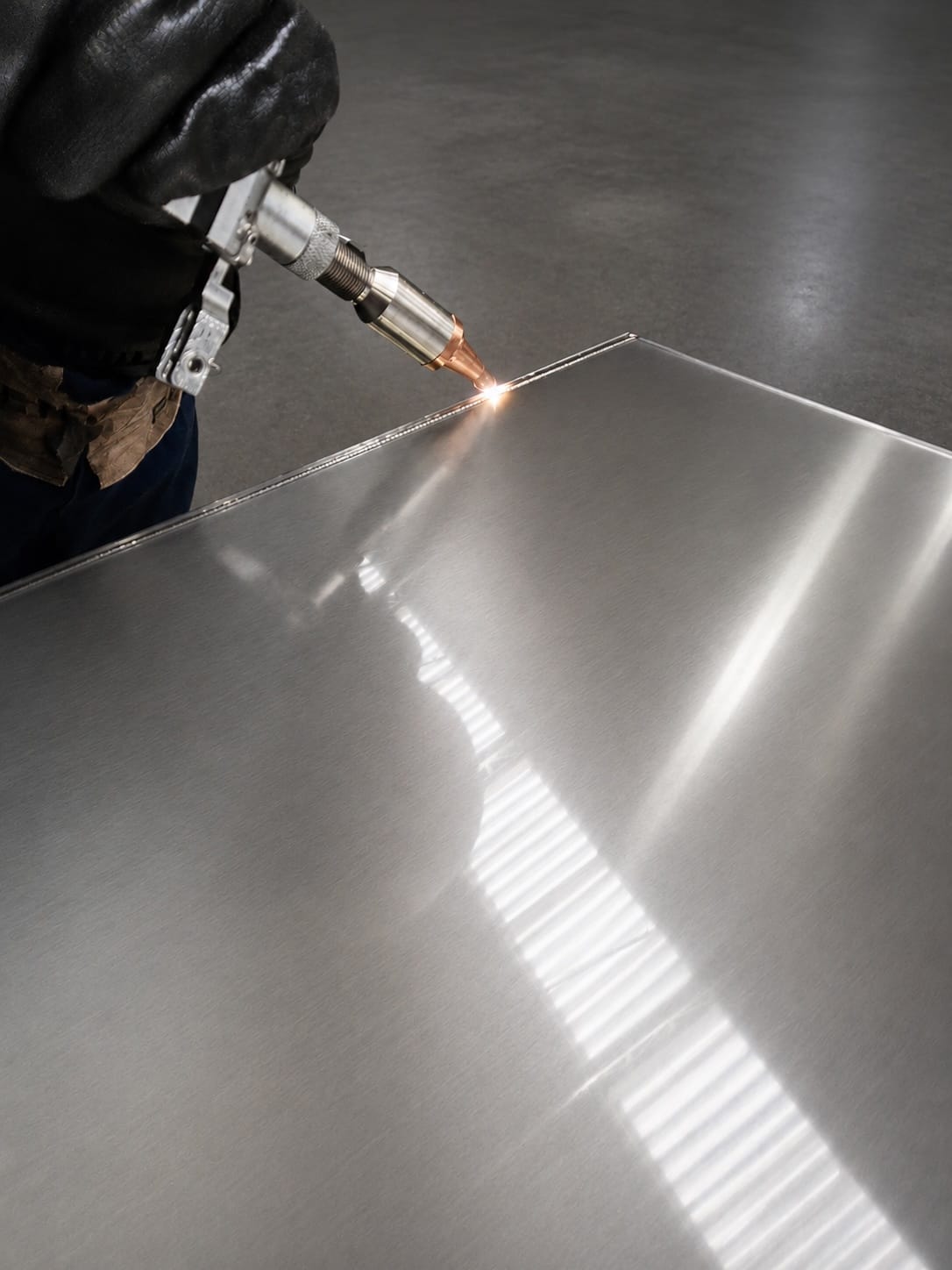
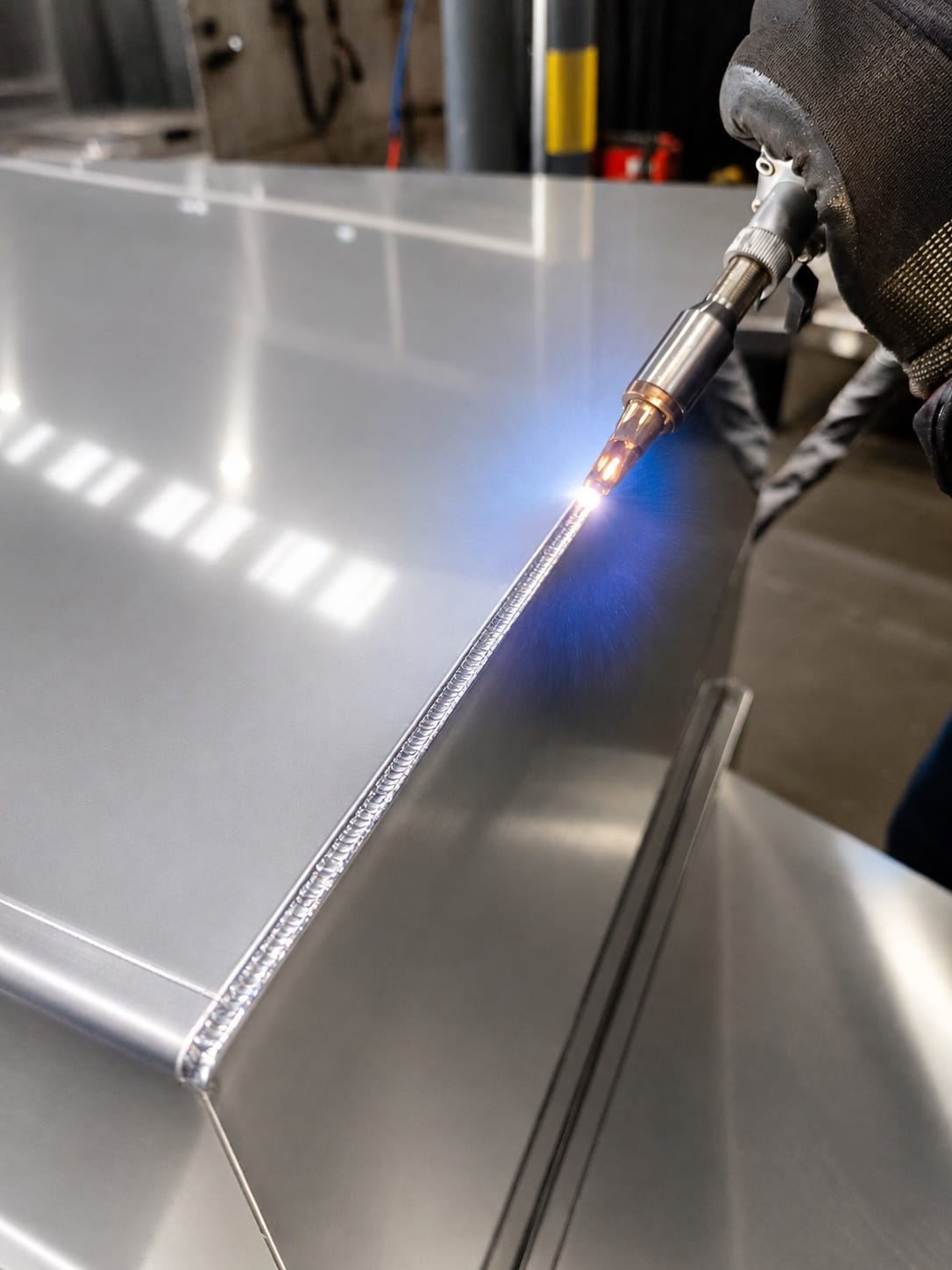
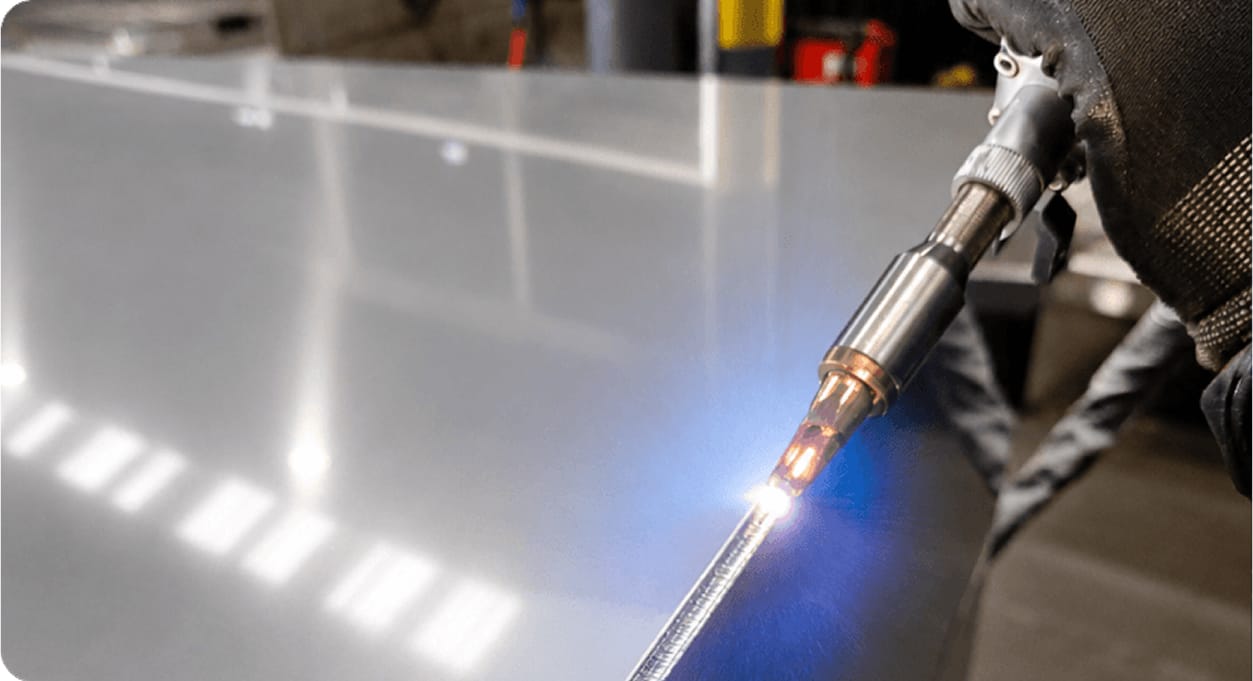
Laser welding is a modern metal joining process in which a highly focused laser beam heats and melts the edges of materials, creating a precise and strong weld. Due to the narrow heat-affected area, the heat input is low, resulting in minimal workpiece deformation.
The process enables fast production of clean, smooth, and aesthetic welds with little or no additional processing. It is primarily suitable for welding stainless steel and structural steel, aluminium, and other metal materials. Depending on the type of joint and the required strength, it can be used with or without filler material.
Laser welding is characterized by high speed, repeatability, and precision, making it suitable for thin sheet metal, complex geometries, and automated serial production. Precise preparation and good fitting of welded parts are important for a high-quality result.
WELDING
Frequently Asked Questions
We offer welding using the MIG/MAG process, TIG welding, and laser welding.
Our experienced and certified welders weld structural steel, stainless steel (INOX), and aluminium.
Do you need a reliable partner for sheet metal processing and forming?
Send an inquiry and get a quote.


